Friday, March 31, 2006

Common Diagnoses in the NICU

All expectant parents hope that their babies will be healthy. Yet sometimes problems arise that require a newborn to be hospitalized. When this happens, the baby may be admitted to the neonatal intensive care unit (also called the NICU) for treatment.
It's almost always stressful when a baby is unexpectedly admitted to the NICU. But the doctors, nurses, and other caregivers in the unit will do their best to provide emotional support for you while caring for your infant's medical needs.
What Is the NICU?With equipment designed for infants and a hospital staff who have special training in newborn care, the NICU is an intensive care unit created for sick newborns who need specialized treatment because they're still developing rapidly.
Sometimes the NICU is also called:
a special care nursery
an intensive care nursery
newborn intensive care
Babies may be sent to the NICU if:
they're born prematurely
difficulties occur during their deliveries
they show signs of a problem in the first few days of life
Only very young babies (or babies with a condition linked to being born prematurely) are treated in the NICU - they're usually infants who haven't gone home from the hospital yet after being born. How long these infants remain in the unit depends on the severity of their illness.
Although not all babies in the NICU have the same illness or condition, there are some diagnoses that are common to newborns who need intensive care. Here's a brief look at what these conditions are, what causes them, how they're diagnosed, how they're treated, and how long infants usually stay in the unit after they've been diagnosed.
Anemia
What is it?One of the more common blood disorders, anemia is a low number of red blood cells in the blood. Babies who are anemic may:
have apnea (stop breathing for 20 seconds or more)
have low blood pressure
have a high heart rate
seem sleepy
What causes it?Premature infants may develop anemia for a number of reasons. In the first few weeks of life, infants don't make many new red blood cells. Also, an infant's red blood cells have a shorter life than an adult's. And the frequent blood samples that must be taken for laboratory testing make it difficult for red blood cells to replenish.
In full-term or preterm infants there are also conditions that can cause the destruction of red blood cells that then lead to anemia. These conditions are referred to as the hemolytic disease of the newborn and are typically due to differences in the blood types of the mother and the infant.
How is it diagnosed?A doctor can diagnose anemia with a blood test.
How is it treated?Minor cases are monitored closely, whereas severe cases (especially in those premature babies who weigh less than 2.2 pounds [1,000 grams]) may require red blood cell transfusions. Doctors also try to treat the underlying cause of the anemia.
How long will my baby be in the NICU?By the time the underlying problem has been treated, the number of red blood cells in the infant's circulation stabilizes. As long as the baby is doing well and no longer has symptoms, then the doctors usually let the infant go home with close follow-up with the child's doctor.
Apnea
What is it?Although it's perfectly normal for everyone to experience occasional pauses in breathing, newborns who don't take at least one breath in 20 seconds or more have a condition called apnea. During an apnea spell:
the baby stops breathing
the heart rate may decrease
the skin may turn pale, purplish, or blue from lack of oxygen
What causes it?Apnea is usually caused by immaturity in the area of the brain that controls the drive to breathe (the brain doesn't "remember" to take a breath), although illness can also be responsible. Almost all babies born at 30 weeks or less will experience apnea, but apnea spells become less frequent with age.
How is it diagnosed?To accurately diagnose apnea, doctors monitor a baby's breathing rate in the NICU and may order a pneumogram, which involves attaching the baby to several monitors and observing the infant for about 8 to 12 hours. The pneumogram provides information about the baby's heart rate, breathing, and oxygen saturation in the blood.
How is it treated?In the NICU, all premature babies are monitored for apnea spells. The first line of treatment for apnea is simply stimulating the baby to help him or her remember to breathe. This can mean rubbing the infant's back or tapping the feet. However, when apnea occurs frequently, the infant may require medication (most commonly caffeine or theophylline) and/or a special nasal device that blows a steady stream of air into the airways to keep them open. more...

and at: www.dreddyclinic.com

Helicobacter pylori

The bacteria H. pylori (Helicobacter pylori) usually don't cause problems in childhood.

However, if left untreated the bacteria can lead to digestive illnesses, including gastritis (the irritation and inflammation of the lining of the stomach), peptic ulcer disease (characterized by sores that form in the stomach or the upper part of the small intestine, called the duodenum), and even stomach cancer later in life.

But even though the bacteria can cause these illnesses, experts believe that most H. pylori infections are "silent" and produce no symptoms.

The bacteria are found everywhere in the world, but especially in developing countries, where up to 10% of children and 80% of adults can have laboratory evidence of an H. pylori infection - usually without having any symptoms.

In industrialized countries, the infection is rare in children, and only about 40% of adults are infected. The risk of infection is higher for those who live in overcrowded or unsanitary conditions.

What Are the Signs and Symptoms?Anyone, including a child, can have an H. pylori infection without knowing it. When the bacteria do cause symptoms, they're usually either symptoms of gastritis or peptic ulcer disease.

In children, symptoms of gastritis may include nausea, vomiting, and frequent complaints about pain in the abdomen. However, these symptoms are seen in many childhood illnesses.

H. pylori, which used to be called Campylobacter pylori, can also cause peptic ulcers (commonly known as stomach ulcers). In older children and adults, the most common symptom of peptic ulcer disease is a gnawing or burning pain in the abdomen, usually in the area below the ribs and above the navel. This pain typically gets worse when someone with ulcers has an empty stomach and improves as soon as he or she eats food, drinks milk, or takes antacid medicine.

Children who have peptic ulcer disease can have ulcers that bleed, causing hematemesis (bloody vomit or vomit that looks like coffee grounds) or melena (stool that's black, bloody, or looks like tar). Younger children with peptic ulcer disease may not have symptoms as clear-cut as those of older children, and their illness may be harder to diagnose.

Is It Contagious?

Scientists suspect that H. pylori infection may be contagious, because the infection seems to run in families and is more common where people live in crowded or unsanitary conditions. Although research suggests that infection is passed from person to person, exactly how this happens isn't really known.

How Is It Diagnosed?

Doctors can make the diagnosis of an H. pylori infection by using many different types of tests. Your child's doctor may:

look at the stomach lining directly with an instrument called an endoscope. This procedure is performed under sedation and involves inserting an endoscope - a small, flexible tube with a tiny camera on the end - down your child's throat and into the stomach and duodenum. The doctor may then take samples of the lining to be checked in the laboratory for microscopic signs of infection and for H. pylori bacteria.

do blood tests, which can detect the presence of H. pylori antibodies. Blood tests are common, although they typically aren't as accurate for children as they are for adults.

do breath tests, which can detect carbon broken down by H. pylori after the patient drinks a solution. But breath tests are also used mostly in adults.

How Is It Treated?Doctors treat H. pylori infections using antibiotics. Because a single antibiotic may not kill the bacteria, your child may be given a combination of antibiotics.

If your child has symptoms of bleeding from the stomach or small intestine, these symptoms will be treated in a hospital.
Because H. pylori infection can be cured with antibiotics, the most important home treatment is to give your child any prescribed antibiotic medicine on schedule for as long as your child's doctor has directed. Your child's doctor may also give antacids or acid-suppressing drugs to neutralize or block production of stomach acids.

One way to help soothe the abdominal pain of H. pylori infections is by following a regular meal schedule. This means planning meals so that your child's stomach doesn't remain empty for long periods. Eating five or six smaller meals each day may be best, and your child should take some time to rest after each meal.

It's also important to avoid giving your child aspirin, aspirin-containing medicines, ibuprofen, or anti-inflammatory drugs because these may irritate the stomach or cause stomach bleeding.

How Long Does It Last?
With prolonged antibiotic therapy, H. pylori gastritis and peptic ulcer (especially ulcers in the duodenum, a portion of the small intestine) can often be cured. more...

and at http://www.dreddyclinic.com/


more discussion: Forum
· Addiction Forum · Ask the Doctors Forum · Ayurveda Forum · Ayurvedic & Thai Herbs Forum · Colon Cleansing Forum · Dental Forum · Diabetes Forum · Diet Forum · General Cleansing Forum · Hepatitis A, B. C Forum · Integrated Medicine Forum · Live Blood Analysis Forum · Ozone-Oxygen-Forum · pH - Alkaline - Acidity Forum · Weight Loss Forum

Radiation Therapy

If you've ever been to the dentist or been treated for a broken bone, you've experienced radiation firsthand. In everyday life, radiation in the form of X- rays is used to create images of areas of the body that doctors can't see, such as the inside of a tooth or the interior of the chest cavity. But in much higher doses, radiation can be used to treat cancer and other illnesses by not only preventing cells from growing or reproducing, but eventually destroying them.
Also called radiotherapy, irradiation, or X-ray therapy, radiation therapy is one of the most common forms of treatment for cancer. According to the National Cancer Institute, more than half of all people with cancer undergo some form of radiation therapy during treatment. If your child is one of them, keep reading for more information about this potentially life-saving treatment for kids with cancer.
What Is Radiation Therapy?In radiation therapy, high-energy radiation from X-rays, gamma rays, or other sources is used to kill cancer cells and shrink tumors. Some types of childhood cancer treated with radiation therapy include brain tumors, Wilms' tumor, and head and neck cancers.
Although the goal of radiation therapy is to destroy cancer cells, it can also be harmful to normal cells. The good news? Normal cells are more likely to recover from the effects of radiation. In radiation therapy, doctors and nurses take extensive measures to carefully monitor radiation doses to protect your child's healthy tissue.
Because each child's situation is different, each child's cancer treatment is individualized and unique. Some kids receive only radiation therapy to treat their cancer. Other children need both radiation and chemotherapy, the use of medicines to destroy cancer cells. And some children require radiation therapy and surgery to remove tumors or cancerous areas.
How Is Radiation Given?Radiation therapy is administered two ways: externally or internally. Some children may receive both external and internal radiation, depending on the child's needs.
External radiation therapy uses a large machine and special equipment that aims very specific amounts of radiation at cancerous tumors or diseased areas of the body. A child who receives internal radiation therapy (also known as brachytherapy, interstitial therapy, or implant therapy) may have a radioactive substance injected or implanted into the body at the site of the tumor or cancer cells. In some cases, a child may swallow a radioactive material. Generally, children receive only external radiation therapy, although kids and teens who have cancers of the head and neck, uterus, cervix, thyroid, and testes may be treated with internal radiation therapy.
A radiation oncologist, a doctor who specializes in radiation therapy, will work with other health care professionals to decide on the type and dose of radiation therapy that's best to cure your child's cancer.
What Happens During Radiation Therapy?Receiving radiation therapy for cancer treatment isn't a one-time deal: Children and teens who receive external radiation usually visit the hospital or treatment center on an outpatient basis 4 to 5 days a week for several weeks, coming in just for the treatment and going home right after. Receiving small daily doses of radiation helps to protect the normal cells from damage, and weekend breaks help the normal cells to recover from the trauma of radiation.
Before the first radiation therapy treatment, a planning session takes place. This process is called simulation. The child lies on an X-ray table, while a radiation therapist uses a special X-ray machine (called a simulator) to define the treatment area. Some X-rays or CT scans might be taken, and an area on the skin is marked with ink to highlight the area to be treated. This "tattoo" should not be wiped off, because these spots help to position the radiation for each treatment. At each external radiation appointment, the child dresses in a hospital gown or robe and enters the radiation treatment room. After the radiation therapist settles the child into position and leaves the room, a large machine delivers the exact amount of radiation necessary to kill the cells in the cancerous area. Most of the time that the patient spends on the radiation treatment table during each visit involves the verification of proper patient positioning - the treatment itself takes only minutes.
Younger children may find it difficult to remain still during the few minutes of treatment. Parents aren't allowed in the treatment room to prevent unnecessary radiation exposure, but other steps can be taken to comfort children undergoing therapy. Some hospitals may provide body molds to help immobilize your child during therapy; others may provide two-way communication devices so you can talk with and reassure your child during treatment. Some treatment centers even provide closed-circuit televisions that allow you to watch your child during the procedure. Some children may need to be sedated or anesthetized so they will remain motionless during the few minutes of treatment. more...

and at: www.dreddyclinic.com

Teaching Your Child Tolerance

America - the great "melting pot" - has always been a rich blend of cultural traditions from all over the world. Many American families can trace their histories to immigrant ancestors who traveled great distances, enduring risk and hardship, to make a home where they would be guaranteed basic freedoms. And for many American families these freedoms came with a struggle. Their parents and grandparents were deprived the basic rights we value.
American society was founded on freedom from religious persecution and on tolerance of differences in beliefs and cultural heritage. The differences (or diversity) that come from people from all over the world enrich our culture, bringing new ideas and energy. Today, more than ever, children have opportunities to interact with people of differing ethnicities, religions, and cultures. Classrooms are increasingly diverse, reflecting the communities where families live and work.
A World of Difference Some parents welcome the fact that we live in an increasingly diverse society. Others may feel more hesitant, especially if they have not had much exposure to people different from themselves. Many children are way ahead of their parents in terms of exposure to cultural differences. Their circle of friends, their schoolmates, and their athletic teams are much more varied than those of even a generation ago.
Why is it important for parents to help their children prepare to live, learn, and work in communities that will become even more diverse? Teaching tolerance is important not just because it is part of our American heritage but because the person who learns to be open to differences will have more opportunity - in education, in business, and in so many other ways.
In short, your child's success depends on it. Success in today's world - and tomorrow's - depends on being able to understand, appreciate, and work with others.
What Is Tolerance? Tolerance refers to an attitude of openness and respect for the differences that exist among people. Although originally used to refer to ethnic and religious differences, the concepts of diversity and tolerance can also be applied to gender, people with physical and intellectual disabilities, and other differences, too.
Tolerance means respecting and learning from others, valuing differences, bridging cultural gaps, rejecting unfair stereotypes, discovering common ground, and creating new bonds. Tolerance, in many ways, is the opposite of prejudice.
But does tolerance mean that all behaviors have to be accepted? No, of course not. Behaviors that disrespect or hurt others, like being mean or bullying, or behaviors that break social rules, like lying or stealing, should not be tolerated. Tolerance is about accepting people for who they are - not about accepting bad behavior. Tolerance also means treating others the way you would like to be treated.
How Is Tolerance Taught?Like all attitudes, tolerance is often taught in subtle ways. Even before they can speak, children closely watch - and imitate - their parents. Children of all ages develop their own values, in great part, by mirroring the values and attitudes of those they care about.
Many parents live and work in diverse communities and have friends who are different from themselves in some (or in many) ways. Parents' attitudes about respecting others are often so much a part of them that they rarely even think about it. They teach those attitudes simply by being themselves and living their values. Parents who demonstrate (or model) tolerance in their everyday lives send a powerful message. As a result, their children learn to appreciate differences, too.
Of course, celebrating differences of others doesn't mean giving up your own heritage. Your family may have its own long-standing cultural and religious traditions that are something to be proud of. Families can find ways to celebrate differences of others while continuing to honor and pass down their own cultural heritage.
What Can Parents Do to Help Children Learn Tolerance?
Parents can teach tolerance by example - and in other ways, too. Talking together about tolerance and respect helps children learn more about the values you want them to have. Giving children opportunities to play and work with others is important as well. This lets children learn firsthand that everyone has something to contribute and to experience differences and similarities. Here are some things parents can do to help children learn tolerance:
Notice your own attitudes. Parents who want to help their children value diversity can be sensitive to cultural stereotypes they may have learned and make an effort to correct them. Demonstrate an attitude of respect for others.
Remember that children are always listening. Be aware of the way you talk about people who are different from yourself. Do not make jokes that perpetuate stereotypes. Although some of these may seem to be harmless fun, they can undo attitudes of tolerance and respect.
Select books, toys, music, art, and videos carefully. Keep in mind the powerful effect that media have on shaping attitudes. more...

and at www.dreddyclinic.com

Wednesday, March 22, 2006

Ayurvedic Medicine-dreddyclinic.com - Leading Integrated Medical Clinic and Ayurvedic School

Ayurvedic Medicine-dreddyclinic.com - Leading Integrated Medical Clinic and Ayurvedic School: Origin and History
Ayurveda originated in India long back in pre-vedic period. Rigveda and Atharva-veda ( 5000 years B.C.), the earliest documented ancient Indian knowledge have references on health and diseases. Ayurved texts like Charak Samhita and Sushruta Samhita were documented about 1000 years B.C. The term Ayurveda means ‘Science of Life’.

It deals elaborately with measures for healthful living during the entire span of life and its various phases. Besides, dealing with principles for maintenance of health, it has also developed a wide range of therapeutic measures to combat illness. These principles of positive health and therapeutic measures relate to physical, mental, social and spiritual welfare of human beings. Thus Ayurveda becomes one of the oldest systems of health care dealing with both the preventive and curative aspects of life in a most comprehensive way and presents a close similarity to the WHO’s concept of health propounded in the modern era.

A perusal of its several classical treatises indicate presence of two schools of Physicians and Surgeons and eight specialities. These eight disciplines are generally called "Ashtanga
Ayurveda" and are :-
Internal Medicine (Kaya Chikitsa)
Paediatrics (Kaumar Bhritya)
Psychiatry ( Bhoot Vidya)
Otorhinolaryngology and Ophthalmology (Shalakya)
Surgery ( Shalya)
Toxicology( Agad Tantra)
Geriatrics (Rasayana)
Eugenics and aphrodisiacs (Vajikarana)
Compendia on these subjects like Charak Samihta, Sushruta Samhita etc. were written by the ancient scholars during B.C. period. These were used for teaching of Ayurveda in the ancient universities of Takshashila and Nalanda. The Beginning
During its early period, it was perhaps the only system of overall healthcare and medicine which served well the people in such crucial areas as health, sickness, life and death. It enjoyed the unquestioned patronage and support of the people and their rulers. This situation promoted maximally the growth of this system. Practically all the systematic ground work of laying down its basic concepts, principles and medicaments took place during this period of Indian history.

The Medieval Period
Then followed a long period of medieval history marked by unsettled political conditions and several invasions from outside the country when Ayurveda faced utter neglect. Its growth was stunted, its teaching and training were stopped from being spread and its monopoly in practice or utilization was eroded greatly by the officially supported systems. Ayurveda barely survived because of its native roots and also because the official systems of medicine could not reach everywhere particularly in widely scattered and difficult rural areas.

The Present Era
The political situation of the country was destined to change in favor of freedom from foreign rule. With the awakening of nationalism and movement for freedom the Indian cultural values and way of life (including health care and sickness cure systems) surfaced again. The patriotic zeal of the people, their leaders and benevolence of the rulers of princely States initiated the revival of Ayurvedic system of medicine even before the country got its freedom. In 1916, the Members of Imperial Legislative Councils pressed the Government to accept this ancient and indigenous system of Ayurveda for developing it on scientific basis and for increasing its usefulness.

In 1920, the Indian National Congress demanded Government patronage for Ayurveda and Provincial Governments began to grant assistance. The State and Central Governments appointed several committees to suggest ways and means of rehabilitating this time tested system in the service of the people and promote its further growth following modern scientific parameters and methods. As a result, several States started schools and colleges for training of competent Ayurvedic practitioners with working knowledge of modern medicine.

After, the country became free in 1947, the movement for revival gained additional momentum. The first Health Ministers’ Conference resolved that Ayurveda should be developed and put to use for providing Medicare to the people. In due course of time this system got official recognition and became a part of the National Health network of the country. In several ways, the official health policies, national plans and programmes accorded to it the same status as enjoyed by the dominant Allopathic system.

At present the system is well set to re-orient itself to modern scientific parameters. Simultaneously, it is well poised for much greater, effective utilization so as to enable the country to reach its goals of Health for all and regulate population growth. In the present situation, Medical Scientists are researching Ayurveda remedies for lifestyle related diseases, degenerative and psychosomatic disorders.

DEFINITION
The classical works on Ayurveda describe it as under :
It is that knowledge of life which deals elaborately and at length with conditions beneficial or otherwise to the humanity, and, to factors conducive to the happiness, or responsible for misery or sorrow besides indicating measures for healthful living for full span of life .
Ayurveda is also considered as ‘Science of life’. This probably makes it the earliest medical science having a positive concept of health to be achieved through a blending of physical, mental, social moral and spiritual welfare.

According to the ancient books of knowledge, health is considered as a prerequisite for achieving the supreme ends of life consisting of righteousness, wealth, artistic values and spiritual freedom. Preventive and curative aspects of diseases are considered as important components of the concept of positive health.

Ayurveda deals elaborately with measures of healthful living during the entire span of life and its various phases. Besides dealing with principles for maintenance of health, it has also developed a wide range of therapeutic measures to combat illness. These principles of positive health and therapeutic measures related to physical, mental, social and spiritual welfare of human beings. Thus Ayurveda became one of the oldest system of medicine dealing with both the preventive and curative aspects of life in a most comprehensive way

Concepts and Principles
Life in Ayurveda is conceived as the union of body, senses, mind and soul. The living man is a conglomeration of three humours (Vata, Pitta & Kapha), seven basic tissues (Rasa, Rakta, Mansa, Meda, Asthi, Majja & Shukra) and the waste products of the body such as faeces, urine and sweat. Thus the total body matrix comprises of the humours, the tissues and the waste products of the body. The growth and decay of this body matrix and its constituents revolve around food which gets processed into humours, tissues and wastes. Ingestion, digestion, absorption, assimilation and metabolism of food have an interplay in health and disease which are significantly affected by psychological mechanisms as well as by bio-fire (Agni).

Vata
Pitta

Panchamahabhutas
According to Ayurveda all objects in the universe including human body are composed of five basic elements (Panchamahabhutas) namely, earth, water, fire, air and vacuum(ether). There is a balanced condensation of these elements in different proportions to suit the needs and requirements of different structures and functions of the body matrix and its parts. The growth and development of the body matrix depends on its nutrition, i.e. on food. The food, in turn, is composed of the above five elements, which replenish or nourish the like elements of the body after the action of bio-fire (Agni).

The tissues of the body are the structural whereas humours are physiological entities, derived from different combinations and permutations of Panchamahabhutas.

Health and Sickness
Health or sickness depends on the presence or absence of a balanced state of the total body matrix including the balance between its different constituents. Both the intrinsic and extrinsic factors can cause disturbance in the natural equilibrium giving rise to disease. This loss of equilibrium can happen by dietary indiscrimination, undesirable habits and non-observance of rules of healthy living.

Seasonal abnormalities, improper exercise or erratic application of sense organs and incompatible actions of the body and mind can also result in creating disturbance of the existing normal balance. The treatment consists of restoring the balance of disturbed body-mind matrix through regulating diet, correcting life-routine and behavior, administration of drugs and resorting to preventive Panchakarma and Rasayana therapy.
Panchakarma

Related Sites:
Therapy offers · Single-Day Therapies · Single-Day Rates · Medical Consultation · Therapy "Packages" · our full ayurvedic pricelist
Ayurvedic Products · Kama Raja · Kama Rani · Yogic Slim · Rudraksha Healing · A2 Tier Affiliate program

Sunday, March 12, 2006

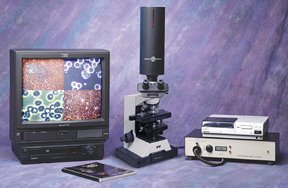
Live Blood Analysis Darkfield Mircroscopy Courses with Dr. Eddy

dreddyclinic.com - Live Blood Course: "Integrated Medicine Live Blood Analysis Courses
Live Blood Analysis 3 daysLive Blood Analysis Courses with Certificates. The 6 days course includes the 3 days course and goes more in details in the fellow topics.

PLEOMORPHISM
Introduction “New Biology
The Causes of Chronic Degenerative Disease

  • Pleomorphism
  • Guenther Enderlein
  • Antoine Bechamp
  • Rife Microscope, EAV
  • Gaston Naessans
  • Monomorphism
  • History of the Debate
  • Life
  • ACID/BASE
  • Latent Acidosis
  • How we become acid
  • The Symptoms of Being Acid
  • Testing Urine and Saliva
  • The Treatment of Being Acid
  • Metabolic Typing
  • THE 'NEW' BIOLOGY
  • The Protit
  • Uroboros
  • DECLARATION OF INDEPENDENCE.
  • THE CAUSE OF DEGENERATIVE DISEASE
  • PLEOMORPHISM
  • THE LAW OF CYCLOGENY
  • FORMATION OF FILUM
  • FORMATION OF SYMPROTITS.
  • SYMPROTITS.
  • MACROSYMPROTITS.
  • FREE CHONDRIT PHASE
  • The Chondrit Stage.
  • THE BIRTH OF A CELL.BACTERIAL SPHERES.
  • DEVELOPMENT OF BACTERIAL RODS.

Health Begins In The Colon

Health Begins In The Colon

$19.99
[ learn more ]

Add to Cart

The REAL Secret to Health is Finally Revealed! Did you know that disease starts and health begins in the colon? You can read more about how to better your health in Dr. Group's exclusive book