Saturday, April 15, 2006

Ayurvedic Management of Ulcerative Colitis - Part 2

Ayurvedic Treatment: -Our Ayurveda based treatment provided relief to patients with severe disease and those patients who never had a remission with mainline allopathic drugs were saved from surgery with the help of this treatment.

This treatment is composed of Ulcerin Compound I & Ulcerin Compound II

Ulcerin Compound I (Powder of Herbs )

Powder contains following herbs:

Holarrehna antidysentrica...... 20 %
Bombax malbaricum...........20%
Cyperus rotundus.............20%
Woodfordia floribunda..................20%
Aegle marmelos................….20%

Ulcerin Compound II (Capsules)

Each capsule contains following herbs:

Cryophyllus aromaticus............. 20mg
Cyperus rotundus..............20 mg
Withania somnifera.................30mg
Azadirachta indica..................30mg
Myristica officinalis...............75 mg
Bombax malbaricum ............75mg
Boswellia serrata.............150 mg

Ulcerin Compounds stop the bleeding, repair the damage and block the leakage of intestine wall. Reduce inflammation of mucosa of intestines. Protect and rebuilds the intestinal inner lining. Enhances proper immune function through improved digestion.

After addition of Ulcerin Compounds along with the mainline treatment to the patients of Ulcerative Colitis one finds the following changes within two weeks:
Consistency of stool improves, however frequency remains same, which improves later on with time.

Quantity of blood in stool reduces.
Quantity of mucus in stool reduces.
Slowly steadily the urgency to go to toilet reduces.

Hemoglobin improves and energy level goes up. After 6 to 8 months we advise the patients to go through colonoscopy examination which usually shows improved vascular pattern.
In ten years, I have treated approximately five thousand patients of Ulcerative Colitis with these compounds. All patients of resistant as well as continuous Ulcerative Colitis took Ulcerin Compound I & Ulcerin Compound II in powder and capsule form along with their main medication.

Within three to four weeks, their symptoms were controlled after which they underwent a gradual tapering of allopathic drugs they had been using.

The results of my treatment were assessed on the basis on symptomatic relief only. After treatment only a few patients could be subjected to investigations like colonoscopic or Sigmoidoscopic and Histopathological examination due to the lack of facilities. Approximately 85% patients, who never had a remission with 5-aminosalicylic acid, 5-ASA, and mesalazine (Brands- Asacol; Mesasal; Pentasa; Salofalk) and steroid therapy, became symptoms free with the addition of these compounds.

Many patients were thinking of surgery, because they were advised Colectomy (total removal of large intestines) before my treatment. Many (approx. 85%) patients went in remission.

However there were relapses of the disease in about 50% of patients in my follow up study of about five to ten years, but the advantage was that in most of relapsed cases the symptoms were not so severe as in the past.I have complete clinical data of my patients with me. I wish that the results of my treatment should be evaluated by proper scientific methods.

Related Sites:
Therapy offers · Single-Day Therapies · Single-Day Rates · Medical Consultation · Therapy "Packages" · our full ayurvedic pricelist
Ayurvedic Products · Kama Raja · Kama Rani · Yogic Slim · Rudraksha Healing · A2 Tier Affiliate program

Ayurvedic Medicine
DrEddyClinic.com

Ayurvedic Management of Ulcerative Colitis - Part 1

by Dr. Harish Kumar Verma
Ulcerative Colitis is an inflammatory bowel disease, which causes inflammation and ulceration of inner lining of the colon and rectum. The inflammation usually begins in the rectum and sigmoid colon and spread upward to the entire colon. Ulcerative colitis rarely affects the small intestine. It occurs at the rate of approximately five cases per 100,000 people.

The disease pattern is one of the remission and exacerbation. It can occur at any age but its onset is most common among people between ages of 15 - 40. Ulcerative colitis affects male and females equally and appears to run in some families.

What Causes Ulcerative Colitis ? -The exact cause of Ulcerative is not known. Autoimmune factors, food allergies, collagen disorders, genetic factors, infection and psychogenesis have all been suggested. One or some combination of these factors thought to trigger the inflammatory process.

The theory of the involvement of the immune mechanism has been widely accepted because of concept that therapeutic agents like Corticosteroids and Azothiaprine exert their effect via the immuno suppressive mechanism. The psychological factors of feelings like anger and anxiety of the degree of depression experienced by a sufferer are also important in modifying the course of the disease.

How Ulcerative Colitis Affects the Intestines ?
In Ulcerative Colitis, inflammation is triggered by some unknown elements. Hyperemia and swelling occur as part of the vascular response. The swollen, engorged bowel is fragile and is therefore inclined to ulcerate, thus creating a break in the mucosal barrier. Digestive enzymes and intestinal bacteria act upon this exposed tissue, causing further irritation, inflammation, ulceration and bleeding.

Ayurvedic view - Sushruta mentioned in Sushruta Samhita about 3000 years ago that Pitta type people are more prone to Ulcerative Colitis (Rakata Atisaar).

Causes of Ulcerative Colitis according to Ayurveda -All the factors that imbalance ‘Pitta’ bio-energy are also responsible for developing Ulcerative Colitis. These include indulgence in too many arguments, eating while watching TV or walking, watching too many violent movies, excessive heat or exposure of the sun, excessive alcohol and smoking, excessive mental activity, skipping meals, spicy, sour or stale and infected foods etc. In Pitta constitution persons, Pitta gets aggravated very quickly with the above factors and patients develop diarrhea followed by bloody diarrhea.

Related Sites:
Therapy offers · Single-Day Therapies · Single-Day Rates · Medical Consultation · Therapy "Packages" · our full ayurvedic pricelist
Ayurvedic Products · Kama Raja · Kama Rani · Yogic Slim · Rudraksha Healing · A2 Tier Affiliate program

Ayurvedic Medicine
DrEddyClinic.com

Respect Your Natural Urges

by Dr. Aniruddha Kulkarni

Human existence is essentially attributed to constant, continuous oneness of body, mind and soul. We are alive when these constituents are together. When soul and mind departs from body, we usually label it as ' death'. In order to healthy operations of these constituents some urges are created naturally.

These urges are known in ayurveda as ' vega'. Vega is a very fundamental and important concept of ayurveda. It is essential for our good health not to suppress urges from body, but, suppress the urges which are concerned with the mind.

In maintenance of health, we have to accept air, food etc. into our body. After their entry in the body, they are properly digested. After digestion they are divided in two parts, viz. prasad or nutritious part and mala or excretory part. This excretory part should be thrown out of body.

Sometimes for continuation of human life, shukra i.e. semen and artava i.e. ovum are also ejaculated from the body. All these natural ' acceptance ' and ' excretion ' processes are called as ' vega '. For urges to be respected, various nerves, muscles, sphincters come in the action.

The urges can be suppressed for some period by the power of mind. We can also create some urges by stimulating mind. But, ayurveda do not recommend this forceful suppression and creation of urges.

It is identified as a major factor for presenting opportunity to initiate disease process. We have to suppress the urges while in traveling, work, meetings and discussions, and sometimes only because " it doesn't look good " like things. But, keep in mind that these acts are not good for health.

Ayurveda has described different urges and the symptoms arising out of their suppression.

Urge
Symptoms arising of suppression

Gas in the abdomen
Pain in abdomen, constipation, painful urination, loss of appetite, pressure on heart.

Faeces
Cramps in legs, running nose, pains in eyes, distressing movements of abdominal gas, binding pains in heart.

Urine
Body ache, pain in penis, urinary calculus.

Semen
Pain and edema in genitals, cardiac pain, stoppage of urination, sperm calculus, infertility.

Thirst
Dryness of mouth and palate, weakness, numbness, fainting, increase in heart rate.

Hunger
Loss of taste, weakness, loss of weight, pain in abdomen, body ache.

Belching
Loss of taste, binding feeling in heart, hiccough, tightness of abdomen.

Yawning and sneezing
Loss of power of sense organs, headache, neck pain, facial paralysis.

Tears
Running nose, pain in head and eyes, fainting.
Dysnea after exertion
Heart disease, fainting, weakness.
Cough
Stressful respiration, more cough, loss of taste, heart disease.
Vomiting
Patches on skin, skin diseases, fever, cough, nausea.

These are the various urges and symptoms arising out of their suppression. The most significant observation is that, at nine times, heart related symptoms are mentioned. It is our duty to seriously look at this concept, while global cardiac epidemic is ready to break out.

Apart from these urges, there are some urges like sleep, speech and especially, in females, menstrual cycle. The trend is on rise to take tablets and injections for forceful suppression and initiation of menstrual cycle. It is not advisable to insult our natural system again and again. It will definitely lead us to a diseased state.

Dr. Aniruddha Kulkarni , B.A.M.S. is an Ayurvedic Practitioner practicing at Miraj, India.
Ayurvedic Medicine
DrEddyClinic.com
Monday, April 03, 2006

dreddyclinic.com - Colon Cleansing - Constipation Colon Cleansing Resource and Education Clinic

dreddyclinic.com - Colon Cleansing - Constipation Colon Cleansing Resource and Education Clinic: "Why is so Important to Cleanse the Colon?

A good cleansing program should always begin by removing the waste in your colon, the last portion of your food processing chain. If you attempt to clean your liver, blood, or lymph system without first addressing a waste filled colon, the excreted toxins will only get recycled back into your body.

One of the most frequent bowel problems that people experience today is constipation. Constipation is generally attributed to a lo"

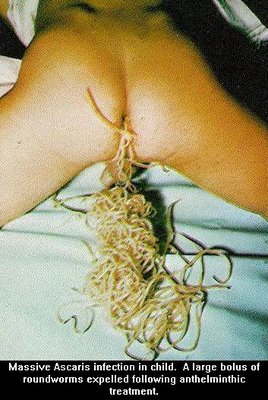
dreddyclinic.com - Parasites Cleanse

dreddyclinic.com - Parasites Cleanse: "Health and Parasites

In the world today so many people are sick from diseases that modern medicine does not seem to cure. Is it normal to have low energy, skin rashes, painful joints and bones? How many people around the globe are on medication with little or no change in their health? Could it be that the medical establishment has forgotten to look for worm and parasite infection in the human body? In recent studies taken at major hospitals over the last ten years, experts in this field have found that well over 95%of all people have parasitic animals living in them."

more info: http://www.dreddyclinic.com/integrated_med/parasites.htm
http://www.dreddyclinic.com/products/ghchealth/cleansing-combo-pack.htm

Chi Nei Tsang is a holistic approach to the healing touch modality

Chi Nei Tsang is a holistic approach to the healing touch modality: "What is Chi Nei Tsang?
Chi Nei Tsang, also known as internal organ massage, is a massage performed on the abdominal area of the body with a goal of balancing the energies inside the internal organs. Chi Nei Tsang descends directly from Taoism and the belief that this area of the stomach (the part around and behind the naval) is the most vital center in the body for life energy. Taoists believe that this is where energy is stored, generated and distributed to the rest of the body. Chi Nei Tsang massage therapy is very important in this belief because this vital life force energy provides health, well-being and longevity. If this becomes blocked or disrupted, the body will experience bad health and illness. By receiving Chi Nei Tsang, the patient is able to prevent disease, as well as experience healing.
What are the benefits of Chi Nei Tsang?
There are many benefits that can be achieved through Chi Nei Tsang, including the following:

• Detoxification—during the massage, as the stomach becomes more and more relaxed, the Chi Nei Tsang therapist is able to massage deeper into it. This can lead to detoxification in the body’s largest lymph node system.

• Improved immunity—just as with the lymphatic system, the immune system can be improved in function by this deep massage, which will then help the body begin to heal itself of illnesses as well as prevent them in the future.

• Raised metabolism—when this happens, the patient may experience many added benefits, including natural healthy weight loss as well as more energy than before.

• Relaxation and stress relief—as with most forms of massage, Chi Nei Tsang allows patience to relax fully and be relieved of stress, which then can "

Saturday, April 01, 2006

Ayurveda- A Complete Science of Life

By: Dr.Shashikant Patwardhan
Ayurveda is a science of life so to know more about it, we must know what is life? Life according to Ayurveda is a combination of senses, mind, body and soul. So it is clear from this definition of life that Ayurveda is not only limited to body or physical symptoms but also gives a comprehensive knowledge about spiritual, mental and social health. The words like soul and spirituality might sound outdated or create a negative thinking in some of you as they have no place in modern science. As soon as we hear about these topics, we become uncomfortable. Actually, I don't feel that it is our fault. No one has ever spoken about these things to us. We are always trapped in the attractions of outer material world to become happy and peaceful. The modern society, education, culture and the television- everything speaks about materialism. If this was everything why is it so that most us are unhappy. There is unrest, anxiety, mental tension, fighting and terror every where despite best efforts being made to stop them. This is because some part of our body is not being nourished properly. Be open minded and try to understand. What is Ayurveda? Ayurveda literally means "science of life and longevity." and is considered to be the traditional system of medicine of India. Ayurveda is a science in the sense that it is a complete system. It is a qualitative, holistic science of health and longevity, a philosophy and system of healing the whole person, body and mind. Historians have not pin-pointed the exact time Ayurveda came into being. Most agree that Ayurvedic classical texts were written in India between 3,500 and 5,000 years ago.At this time, philosophy and medicine were not separated. Therefore, philosophical views have strongly influenced the Ayurvedic way of thinking.What is unique about Ayurveda ?There are several aspects to Ayurveda that are quite unique:Ayurveda offers reference points for managing treatment decisions specific to each case. Ayurvedic theory is profoundly useful in analyzing individual patient constitution and understanding variations in disease manifestation. The Ayurvedic framework can be used to structure working models of the unique state of each patient, and to project a vision or goal for a whole state of health, again unique to each case.Ayurveda offers specific recommendations to each individual on lifestyle, diet, exercise and yoga, herbal therapy, and even spiritual practices to restore and maintain balance in body and mind. Ayurveda sees a strong connection between the mind and the body, a huge amount of information is available regarding this relationship.This understanding that we are all unique individuals enables Ayurveda to address not only specific health concerns but also offers explanation as to why one person responds differently than another.Physiology of Ayurveda All matter is thought to he composed of five basic elements ( panchamahabhutas ) which exhibit the properties of earth (prithvi), water (jala), fire (tejas), wind (vayu) and space (akasha). These elements do not exist in isolated forms, but always in a combination, in which one or more elements dominate. According to Ayurveda, the human body is composed of derivatives of the five basic elements, in the form of three humors(dosha - 3 ), tissues (dhatus -7 ) and waste products (malas-3 ). Disease Process(Pathology) in Ayurveda Under normal conditions, the doshas, dhatus and malas correspond to certain standards regarding their quantity, quality and function. However, this situation is not static, and due to several endogenous and exogenous factors, the doshas may become unbalanced, resulting in disease. Every disease is related to an imbalance of the doshas. Other coherent factors can be: the disturbance of the biological factors (agnis), the formation and accumulation of undigested nutrients (ama), obstruction of the body channels (shrotorodha), and a disturbed assimilation in the tissues. Disease Management(Pharmacology and Treatment) in AyurvedaThere are four main classifications of management of disease in Ayurveda: shodan, or cleansing; shaman or palliation; rasayana, or rejuvenation; and satvajaya, or mental hygiene.Ayurveda gives us a model to look at each individual as a unique makeup of the three doshas (Prakruti) and thereby design treatment protocols that specifically address a persons health challenges. When any of the doshas ( Vata, Pitta or Kapha ) become imbalance, Ayurveda will suggest specific lifestyle and nutritional guidelines to assist the individual in reducing or increasing the doshas that has become imbalance. The drugs used in Ayurveda are made by several processes from vegetable and mineral raw materials. Mostly plant alkaloids are the active ingredients. Obviously barring some chemical changes it is mostly natural deviates.If toxins in the body are abundant, then a cleansing process known as "Pancha Karma" is recommended to eliminate these unwanted toxins.This "panchkarma" or Five internal cleansing methods,is a most profound therapy in Ayurveda.
Article Source: http://updateforyou.com
Dr.Shashikant Patwardhan is practicing as 'Ayurvedic Consultant' He is a chief editor and Ayurvedic Consultant of a 'Comprehensive website on Ayurveda - www.ayurveda-foryou.com He is an author of many books on Ayurveda and is first to publish them in ebook format.Up till now he has written ten ebooks

more info at:
http://www.dreddyclinic.com/ayurvedic/ayurvedic.htm

Ayurvedic Care After Childbirth

By: Ysha Oakes
Effective postpartum rejuvenation care dates before 6,000 years when it was discussed in ancient India’s Ayurvedic medical textbooks. Way before then, relatives usually cared for the newly delivered mother and baby in their family with what was commonly known practices.

Ayurvedic Doulas (AyurDoulas) are trained to care for mother and newborn infants with many of these ways. Whether self and family nurtured during these first months after childbirth, or with the skilled nurturing support of an AyurDoula, Ayurveda offers wonderful guidance for avoiding the all too common colic and postpartum depression, while supporting ample lactation and rapid rejuvenation. The following timeless tips require minimum effort, but give resounding results.

Eleven Loving Ways to Make Postpartum Easier, Mother & Baby Happier

1 SUPPORT - The best way to nurture your wife is voice your trust for her natural processes, and with what resources you can financially as well as protecting her time to rest and regenerate. With loving support, she'll recover quickly.

2. INVITE – It takes a village to raise a child! Invite a best girlfriend to be your “call-center” and handle the scheduling.

3. LISTS - Create a list of friends and family who would enjoy helping and keep pencil and paper handy for needs with chores, shopping, appointments, child-care, meal preparation.

4. CHILD'S PLAY - It's important to spend time with older children first, and let them enjoy quality time with their well-rested mother and sibling, too.

5. WARMTH – This is essential; rather than feeding mother iced or raw vegetable foods and drinks, brew warming teas, steam or soup veggies, hot milk, maybe whip cream with honey. Use ample but gentle spices like cumin, coriander, turmeric, dill, basil, fennel and fenugreek, and (lightly brown-roasted only) garlic to support weak metabolic fires. Try placing a hot water bottle on mother’s tummy or at her and feet; be sure to keep her room warm, free of drafts.

6. MOISTURE – Draw a hot bath; make a thermos of fennel-fenugreek tea (1 tsp/2 liters water), steep 5 minutes and drink in preference to much room temperature water (take warm) - also supports lactation, digestion and rejuvenation. Minimize dry fruits & other foods pulling water to digest; cook hot cereals, stew fruits, 3 parts water in the rice, soup-dip those crackers or toast. All support lactation and bodily transitions.

7. OIL - Pass the butter, (no margarine) generously. Quality fats such as clarified butter, sesame, flax and coconut oils are essential hormone and calorie producers for breast milk, and even supporting weight loss!

8. NOURISH – Ayurveda says, “42 Days for 42 Years” is the impact of choices immediately postpartum on health and ability to mother and partner well. Little things can make such a big difference at this time! Please see the articles including “Cooking for Postpartum Mothers” to share with friends and family.

9. GENTLE TOUCH - Patiently, lovingly provide and/or encourage GENTLE DAILY WARM OIL massage for Mom and Baby. See self massage guidelines and more articles at http://www.sacredwindow.com/Articles-List.html.

10. REFRESH – Fathers can wash off the vibrational influence of the outer world when they get home, and more easily join in the sacred energy and process of his family. Mothers enjoy fresh sweet fruits/juices and simple alternate nostril pranayama. Take meals and snacks 5 times a day, gentle breathing practices and a good nap!

11. REST – Mothers’ nap time is essential, twice a day or more early on. Fathers may want to sleep separately if you need to, and with baby for a couple of nights to give Mom more time to sleep between feedings.


Article Source: http://updateforyou.com
Ysha Oakes, D.Ay, CPPAD Postpartum Ayurvedic Care 15 years AyurDoula Training and Aromatherapy 10 years http://www.sacredwindow.com/

more info at:
http://www.dreddyclinic.com/ayurvedic/ayurvedic.htm

Holistic Medicine: Ayurveda

By: Evelyn Lim
Ayurveda is the oldest and most holistic medicine in the world. Its teachings and practices were documented over 5,000 years ago in India, despite having a history that spans longer than what was documented. Ayurveda has been referred to a holistic medicine that deals with both body and the spirit. In fact, ayurveda is more like a lifestyle and covers all aspects of health including nutrition and amazingly, surgery.

The main aim of Ayurveda is prevention. Ancient text tells us that humans should be able to live to be about 100 years old and that one can live to a ripe old age in good health, both physically and mentally. Ayurveda does not accept that getting old equals a failing health and a poor quality of life. Although these texts have been written several thousand years ago, Ayurvedic principles remain very much applicable even in today’s environment. It is possible for anyone to introduce Ayurvedic principles into their life. There are plenty of benefits that can be derived from doing so.

Ayurvedic practitioners will often strive to find health issues which may just be in their early stages and try to deal with them before they get more serious. In all, Ayurveda seeks to take a preventative stance when it comes to diseases, both physical and mental. Because the the philosophy behind Ayurveda holistic medicine can be quite complex, it can take practitioners several years to understand and master this form of holistic healing.

However, I will attempt to give a brief explanation here on basic Ayurvedic principles, as provided by a practitioner friend of mind. Through the years, Ayurvedic healing came up with three classifications or "doshas" which are said to govern all bodily processes. The 3 main doshas are Vata (air), Pitta (fire), and Kapha (water). A person’s constitution type is dependent on whichever dosha that appears to be dominant.

Each constitution type has particular strengths and susceptibilities. Pita (fire) determines how you digest food, your metabolization of sensory perceptions and your emotions. Too much Pitta can lead to anger, criticism, acidity, ulcers, rashes and thinning hair. On the other hand, too much vata leads to worries, insomnia and constipation.

Vata controls blood flow, waste elimination and your breathing. Someone with too much Kapha gains weight easily. Too much Kapah also leads to lethargy, congestion and allergies. For an ayurvedic diagnosis, therefore, patients are classified by their body types which are determined by the proportions of the three doshas.

When the doshas are not in balance, illness and disease results. Ayurvedic treatments are aimed at restoring harmony or balance to the mind-body system.In Ayurveda, natural remedies are often used as treatments. For instance, herbal preparations may be prescribed. Often, an Ayurvedic doctor will advise a diet change as well. There is also a great focus on stress relaxation and Ayurveda can involve some deep relaxing massage techniques.

Today, there is rising interest in the area of Ayurveda holistic medicine by the western world. For instance, the neem plant which has been used for ayurvedic medicine for so many thousands of years, have been encapsulated after research and testing. Neem plant extracts are used for eczema, liver cleansing and other skin disease problems. The rising interest by western doctors can only mean good news for us all. With more widespread awareness of ayurvedic herbs, people seeking treatment will find out that there are plenty of alternatives to conventional medicine. More choices and more analysis and information are privy to making informed health decisions for you and your family.

Article Source: http://updateforyou.com
Evelyn Lim owns a health and wellness article directory site. Her site has a growing database of health articles on more than 100 topics such as alternative healing, disease and fitness. Check out http://www.healthandwellnesscentral.com/

Related Sites:
Therapy offers · Single-Day Therapies · Single-Day Rates · Medical Consultation · Therapy "Packages" · our full ayurvedic pricelist
Ayurvedic Products · Kama Raja · Kama Rani · Yogic Slim · Rudraksha Healing · A2 Tier Affiliate program

more info at:
http://www.dreddyclinic.com/ayurvedic/ayurvedic.htm

Health Begins In The Colon

Health Begins In The Colon

$19.99
[ learn more ]

Add to Cart

The REAL Secret to Health is Finally Revealed! Did you know that disease starts and health begins in the colon? You can read more about how to better your health in Dr. Group's exclusive book